

How Does a Fuel Filte Improve Engine Performance and Protection?
Article Summary
A fuel filte is a critical component in modern engines, responsible for removing contaminants such as dust, rust particles, and water from fuel before it enters the combustion system. Without proper filtration, these contaminants can damage injectors, reduce engine efficiency, and shorten engine lifespan. This article explains how a fuel filte works, why it is essential for vehicle performance, and how to choose the right filter for different engine systems. It also explores common problems drivers and fleet operators face with poor filtration and offers practical guidance to improve reliability and maintenance efficiency.
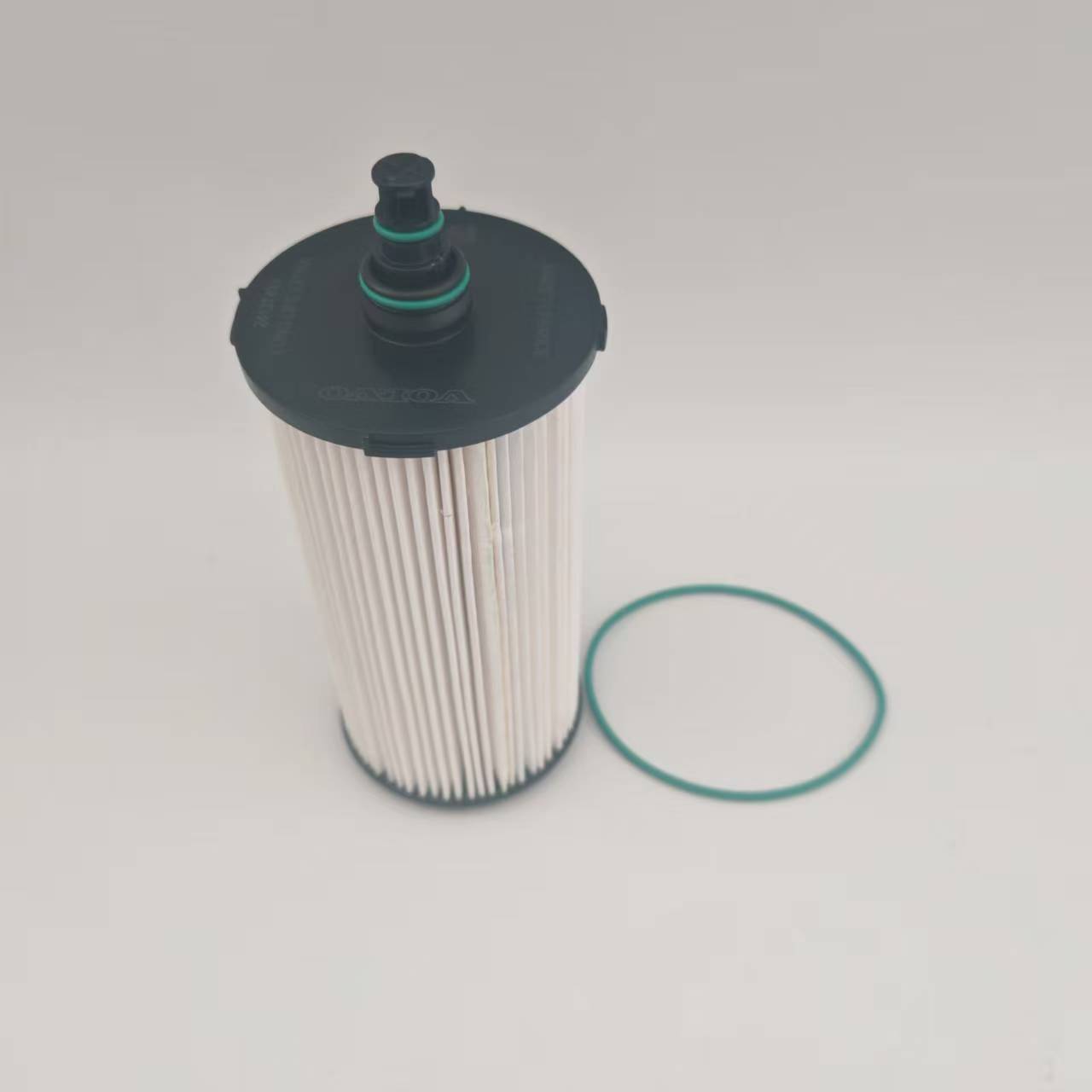
Table of Contents
- Fuel Filte Overview
- Why Fuel Filtration Matters
- Common Problems Caused by Poor Fuel Filtration
- How a Fuel Filte Works
- Main Types of Fuel Filters
- How to Choose the Right Fuel Filte
- Fuel Filter Performance Comparison
- Maintenance and Replacement Tips
- Frequently Asked Questions
- Conclusion
Fuel Filte Overview
The fuel filte plays a vital role in maintaining the health and efficiency of internal combustion engines. It acts as a protective barrier that captures impurities contained in gasoline or diesel fuel before they reach sensitive components such as fuel injectors and pumps.
Modern engines operate with extremely tight tolerances. Even microscopic particles can disrupt injector spray patterns or cause wear in high-pressure fuel pumps. A reliable filtration system ensures the engine receives clean fuel, which improves combustion efficiency and reduces long-term maintenance costs.
Manufacturers like GUOHAO design advanced filtration systems that combine durable materials and precision engineering to deliver consistent filtration performance in demanding operating conditions.
Why Fuel Filtration Matters
Fuel contamination is more common than many vehicle owners realize. During transportation, storage, and refueling, fuel can accumulate various impurities. Without an effective fuel filte, these contaminants can directly enter the engine.
Key benefits of proper fuel filtration include:
- Protects fuel injectors from clogging
- Improves combustion efficiency
- Reduces engine wear
- Extends engine lifespan
- Maintains stable fuel pressure
- Prevents corrosion in the fuel system
High-quality filters significantly reduce the risk of expensive engine repairs and improve overall vehicle reliability.
Common Problems Caused by Poor Fuel Filtration
When a fuel filte fails to perform effectively, several performance issues may appear. These problems can affect both private vehicles and commercial fleets.
- Engine hesitation during acceleration
- Reduced fuel efficiency
- Difficulty starting the engine
- Frequent injector blockages
- Unstable engine idling
- Unexpected engine shutdown
These issues often originate from contaminants bypassing or overwhelming a low-quality filter. Replacing the filter with a high-performance solution can restore normal engine operation.
How a Fuel Filte Works
A fuel filte works by forcing fuel through a filtration medium designed to trap contaminants while allowing clean fuel to flow toward the engine. The filtration medium is typically made of specialized paper, synthetic fibers, or multilayer composite materials.
The basic working process includes:
- Fuel enters the filter housing.
- The fuel passes through a fine filtration layer.
- Particles, rust, and debris are captured.
- Clean fuel exits the filter and moves toward the fuel pump and injectors.
Advanced filters may also include water separation capabilities, which are particularly important for diesel engines where water contamination can cause serious mechanical damage.
Main Types of Fuel Filters
Different vehicles and engines require different types of filtration systems. Understanding these variations helps ensure optimal compatibility.
- Inline Fuel Filters – Installed along the fuel line, commonly used in gasoline vehicles.
- Cartridge Fuel Filters – Replaceable filter elements located inside a housing.
- Spin-On Fuel Filters – Popular in diesel engines and heavy-duty vehicles.
- Fuel Filter with Water Separator – Removes water and contaminants simultaneously.
Each design serves specific operational environments and engine requirements.
How to Choose the Right Fuel Filte
Selecting the correct fuel filter requires careful evaluation of several technical factors. Choosing the wrong filter can lead to reduced performance or compatibility issues.
- Engine type (gasoline or diesel)
- Fuel system pressure level
- Filtration efficiency rating
- Filter material durability
- Operating environment conditions
- Compatibility with vehicle specifications
GUOHAO provides a wide range of fuel filtration products engineered to meet strict manufacturing standards and fit a variety of vehicles and industrial engines.
Fuel Filter Performance Comparison
| Filter Type | Filtration Efficiency | Typical Application | Advantages |
|---|---|---|---|
| Inline Filter | Medium | Passenger vehicles | Simple installation and compact design |
| Cartridge Filter | High | Modern engine systems | Easy replacement and strong filtration |
| Spin-On Filter | Very High | Diesel engines | Durable construction and high capacity |
| Water Separator Filter | Very High | Commercial diesel vehicles | Removes water and particles simultaneously |
Maintenance and Replacement Tips
Regular maintenance is essential to ensure consistent fuel filtration performance. Over time, filters become saturated with contaminants and must be replaced.
Recommended maintenance practices include:
- Follow manufacturer replacement intervals
- Inspect fuel lines for contamination
- Use high-quality replacement filters
- Check for fuel pressure irregularities
- Replace filters immediately if engine symptoms appear
Routine filter replacement is one of the most cost-effective ways to prevent engine damage and maintain optimal fuel efficiency.
Frequently Asked Questions
How often should a fuel filte be replaced?
Most vehicles require replacement every 20,000 to 40,000 kilometers, but this depends on the engine design and fuel quality.
What happens if a fuel filter becomes clogged?
A clogged filter restricts fuel flow, leading to reduced engine power, poor acceleration, and potential fuel pump damage.
Can a dirty fuel filter affect fuel economy?
Yes. Restricted fuel flow forces the engine to work harder, which increases fuel consumption.
Are diesel fuel filters different from gasoline filters?
Yes. Diesel filters often include water separation technology because diesel fuel is more susceptible to moisture contamination.
Conclusion
A reliable fuel filte is essential for protecting modern engines from contamination and maintaining stable performance. Clean fuel allows injectors, pumps, and combustion systems to operate efficiently, reducing wear and improving fuel economy. Whether used in passenger vehicles, commercial trucks, or industrial equipment, high-quality fuel filtration remains a fundamental requirement for long-term engine health.
GUOHAO specializes in manufacturing durable and high-performance fuel filtration products designed to meet the demanding needs of modern fuel systems. With advanced production technology and strict quality control, GUOHAO provides dependable filtration solutions trusted by customers worldwide.
If you are searching for reliable fuel filter products or need professional support in selecting the right filtration solution for your vehicle or equipment, contact us today to learn how GUOHAO can support your fuel system performance and reliability.