

How Cabin Filters Improve Air Quality and Driving Comfort
Abstract
Cabin filters are often overlooked components in vehicles, yet they play a critical role in maintaining air quality, protecting passengers from pollutants, and ensuring overall driving comfort. This article explores how cabin filters function, why they are essential, and how to choose the right one for your needs. Whether you are dealing with unpleasant odors, allergies, or poor airflow, understanding cabin filters can help you solve these common problems effectively.
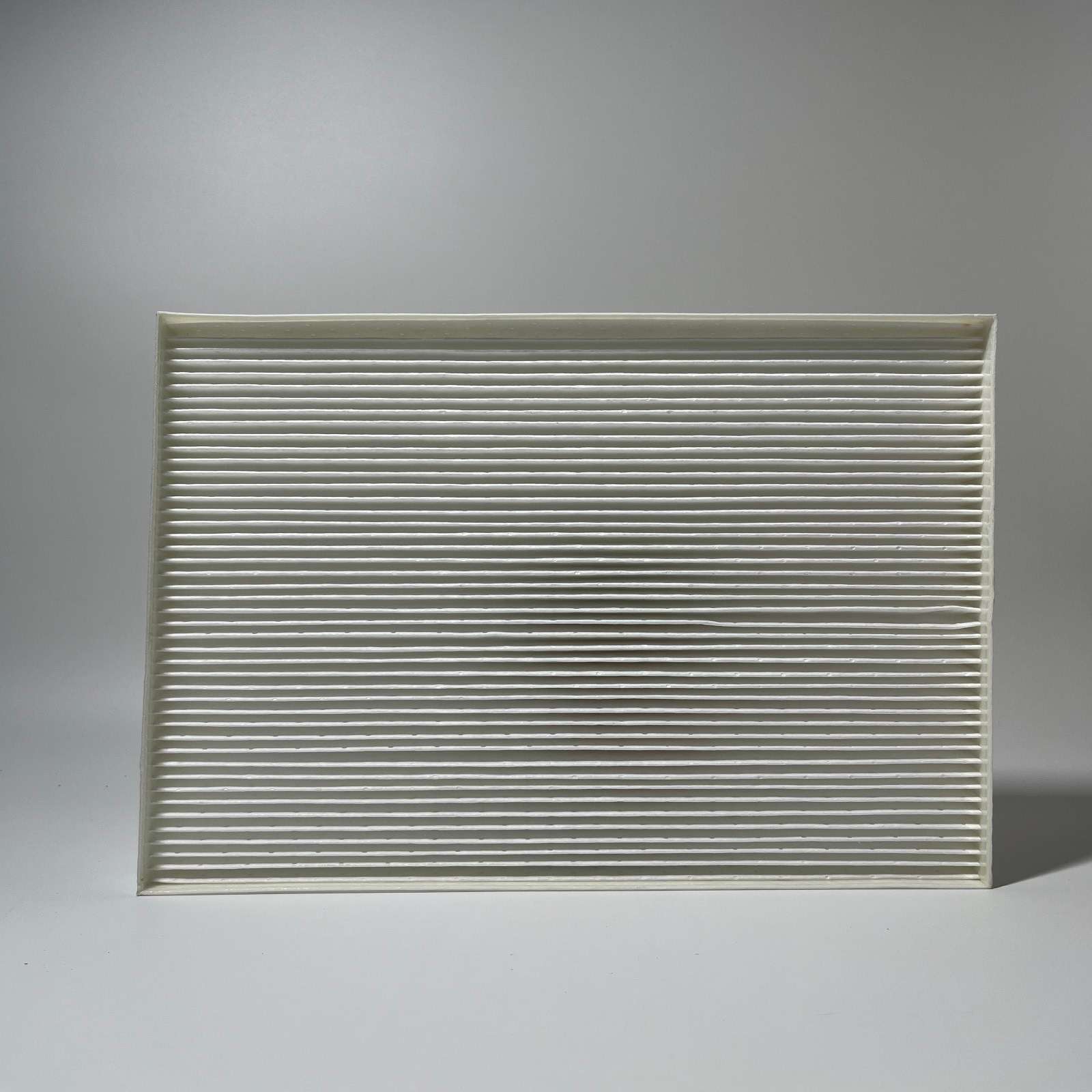
Table of Contents
- 1. What Are Cabin Filters?
- 2. How Cabin Filters Work
- 3. Key Benefits of Cabin Filters
- 4. Types of Cabin Filters
- 5. When Should You Replace Cabin Filters?
- 6. How to Choose the Right Cabin Filter
- 7. Common Customer Pain Points and Solutions
- 8. Comparison Table
- 9. FAQ
1. What Are Cabin Filters?
Cabin filters are specialized air filtration components installed in a vehicle’s HVAC (Heating, Ventilation, and Air Conditioning) system. Their primary function is to clean the air entering the cabin by trapping dust, pollen, smoke, and other airborne contaminants.
Unlike engine air filters, which protect the engine, cabin filters directly impact the health and comfort of passengers. High-quality cabin filters, such as those manufactured by GUOHAO, are designed to deliver superior filtration efficiency and durability.
2. How Cabin Filters Work
Cabin filters operate by forcing incoming air through a layered filtration medium. As air passes through, contaminants are captured within the fibers of the filter material.
- Large particles like dust and debris are trapped in outer layers
- Fine particles such as pollen are captured in inner layers
- Activated carbon layers absorb odors and harmful gases
This multi-stage filtration ensures that only clean, breathable air circulates inside the vehicle.
3. Key Benefits of Cabin Filters
- Improved Air Quality: Removes allergens, dust, and pollutants
- Enhanced Comfort: Eliminates unpleasant odors
- Health Protection: Reduces exposure to harmful airborne particles
- HVAC Efficiency: Prevents clogging and improves airflow
- Better Driving Experience: Ensures fresh and clean cabin environment
4. Types of Cabin Filters
Understanding the different types of cabin filters helps you choose the right solution for your vehicle and environment.
- Particulate Filters: Basic filtration for dust and debris
- Activated Carbon Filters: Remove odors and harmful gases
- HEPA Filters: High-efficiency filtration for microscopic particles
- Electrostatic Filters: Use static charge to attract pollutants
5. When Should You Replace Cabin Filters?
Timely replacement is crucial to maintain performance. Neglecting this can lead to reduced airflow and poor air quality.
- Every 12,000 to 15,000 miles under normal conditions
- More frequently in polluted or dusty environments
- When you notice reduced airflow from vents
- When unpleasant odors persist inside the cabin
6. How to Choose the Right Cabin Filter
Selecting the right cabin filter involves several important considerations:
- Vehicle Compatibility: Ensure correct size and fit
- Filtration Efficiency: Choose higher-grade materials for better performance
- Environmental Conditions: Urban vs. rural driving environments
- Budget vs. Performance: Balance cost with long-term benefits
Brands like GUOHAO provide a wide range of options tailored to different vehicle models and customer needs.
7. Common Customer Pain Points and Solutions
Many drivers experience issues related to cabin air quality without realizing the root cause. Below are common problems and how cabin filters address them:
-
Problem: Persistent bad odors
Solution: Use activated carbon cabin filters -
Problem: Allergy symptoms while driving
Solution: Upgrade to high-efficiency or HEPA filters -
Problem: Weak airflow from vents
Solution: Replace clogged or old filters -
Problem: Dust accumulation inside cabin
Solution: Install high-quality particulate filters
8. Comparison Table
| Filter Type | Main Function | Best For | Cost Level |
|---|---|---|---|
| Particulate Filter | Removes dust and debris | Basic protection | Low |
| Activated Carbon Filter | Eliminates odors and gases | Urban driving | Medium |
| HEPA Filter | Captures microscopic particles | Allergy-sensitive users | High |
| Electrostatic Filter | Attracts pollutants with static charge | Enhanced filtration | Medium-High |
9. FAQ
Q1: Can I drive without a cabin filter?
Yes, but it is not recommended. Without a cabin filter, pollutants and debris can enter the cabin and damage the HVAC system.
Q2: How do I know if my cabin filter is dirty?
Signs include reduced airflow, unpleasant odors, and increased dust inside the vehicle.
Q3: Are expensive cabin filters worth it?
Higher-quality filters offer better filtration, longer lifespan, and improved comfort, making them a worthwhile investment.
Q4: Can I replace the cabin filter myself?
Yes, most vehicles allow easy replacement with minimal tools. Refer to your vehicle manual for guidance.
Q5: Do cabin filters affect fuel efficiency?
Indirectly, yes. A clogged filter can strain the HVAC system, potentially affecting overall efficiency.
Conclusion
Cabin filters are a small investment with significant impact on comfort, health, and vehicle performance. By understanding how they work and choosing the right type, you can effectively address common air quality issues and enhance your driving experience.
If you are looking for reliable, high-performance cabin filters, GUOHAO offers a comprehensive range designed to meet diverse customer needs. For more details about our products and solutions, feel free to contact us today and let our experts help you find the perfect fit for your vehicle.