

How Do Cabin Filters Improve Vehicle Air Quality?
Abstract
Cabin filters are essential components in modern vehicles, designed to clean the air entering the passenger compartment through the HVAC system. They trap dust, pollen, soot, bacteria, and other airborne contaminants, ensuring a healthier and more comfortable driving experience. This article explains how cabin filters work, why they matter, their types, replacement intervals, and how to choose the right one. It also addresses common user concerns and provides practical maintenance insights to help extend filter life and improve in-cabin air quality.
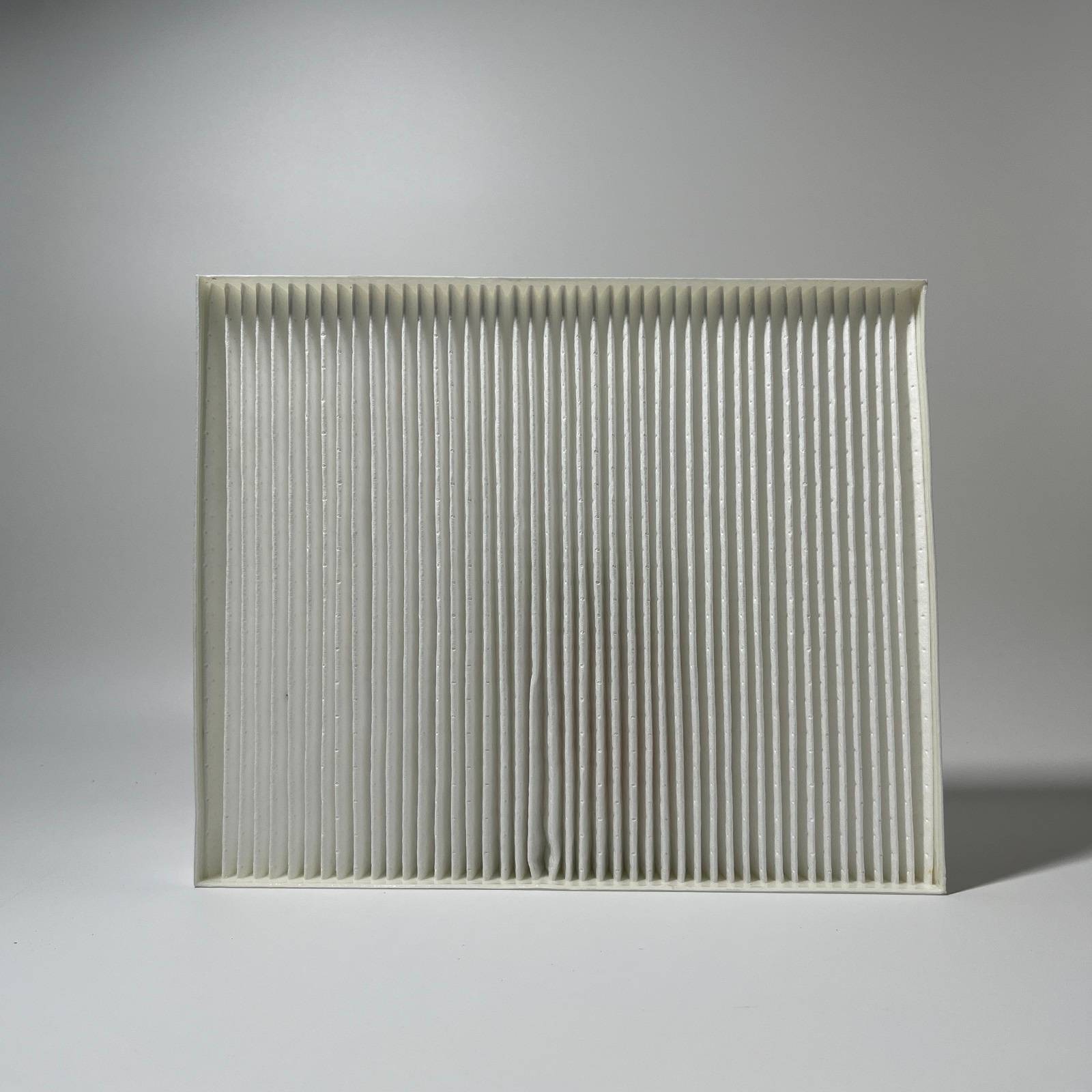
Table of Contents
- What Are Cabin Filters?
- Why Cabin Filters Matter
- How Cabin Filters Work
- Types of Cabin Filters
- Signs You Need Replacement
- How to Replace a Cabin Filter
- Maintenance Tips
- Common Mistakes
- FAQ
What Are Cabin Filters?
Cabin filters are air purification components installed within a vehicle’s HVAC (Heating, Ventilation, and Air Conditioning) system. Their primary function is to filter incoming air before it reaches the cabin interior. Unlike engine air filters that protect the engine, cabin filters focus on passenger comfort and health.
These filters are typically made of pleated paper-based material or synthetic fibers that capture airborne particles as air passes through. Over time, they accumulate contaminants and require periodic replacement to maintain performance.
Why Cabin Filters Matter
Many drivers underestimate the importance of cabin air quality. However, the air inside a vehicle can be significantly more polluted than outdoor air, especially in traffic-heavy or industrial areas. A clean cabin filter helps reduce exposure to:
- Dust and road debris
- Pollen and allergens
- Diesel soot and exhaust gases
- Mold spores and bacteria
For individuals with allergies or respiratory conditions, a high-quality cabin filter is not just a convenience—it is a necessity.
How Cabin Filters Work
Cabin filters function as a barrier within the HVAC air intake system. When outside air is drawn into the vehicle, it must pass through the filter medium. The pleated structure increases surface area, improving filtration efficiency without restricting airflow excessively.
Some advanced filters use electrostatic charge or activated carbon layers to trap finer particles and neutralize odors. This improves protection against smoke, chemical fumes, and urban pollution.
Types of Cabin Filters
| Type | Material | Function | Advantages |
|---|---|---|---|
| Particulate Filter | Fibrous paper/synthetic | Traps dust, pollen, debris | Affordable, widely available |
| Activated Carbon Filter | Carbon-infused layers | Removes odors and gases | Improved air freshness |
| HEPA-Type Filter | High-density fiber | Captures fine particles | High filtration efficiency |
| Antimicrobial Filter | Treated synthetic media | Reduces bacteria and mold | Enhanced hygiene protection |
Each type serves a specific driving environment. Urban commuters often benefit from activated carbon filters, while rural drivers may prioritize particulate filtration.
Signs You Need Replacement
A cabin filter does not last forever. Ignoring replacement can lead to reduced HVAC efficiency and poor air quality. Common signs include:
- Weak airflow from vents
- Unpleasant odors inside the cabin
- Increased dust accumulation on dashboard
- Allergy symptoms while driving
- Foggy windows that take longer to clear
Most manufacturers recommend replacing cabin filters every 12,000 to 15,000 miles, but this varies depending on driving conditions.
How to Replace a Cabin Filter
Replacing a cabin filter is generally a straightforward process, though it varies by vehicle model. Below is a simplified guide:
- Locate the cabin filter housing (commonly behind glove box or under dashboard).
- Remove the cover panel carefully.
- Slide out the old filter and inspect for debris buildup.
- Insert the new filter in the correct airflow direction.
- Reassemble the housing securely.
For precise compatibility and installation support, professional-grade products from GUOHAO are designed to meet diverse vehicle specifications.
Maintenance Tips
Proper maintenance can extend the lifespan and performance of your cabin filter system:
- Check the filter every 6 months in dusty environments
- Avoid driving with windows down in high pollution areas
- Clean HVAC vents regularly to reduce secondary contamination
- Use OEM-quality filters for consistent performance
Routine attention ensures stable airflow and reduces strain on the blower motor.
Common Mistakes
Many vehicle owners unintentionally reduce filter effectiveness through improper practices:
- Installing filters backward, blocking airflow direction
- Using non-compatible sizes
- Delaying replacement beyond recommended intervals
- Choosing low-quality materials that collapse easily
Avoiding these mistakes ensures optimal air filtration and system longevity.
FAQ
Q1: Can I drive without a cabin filter?
Yes, but it is not recommended. Without a filter, pollutants enter the cabin directly, affecting air quality and comfort.
Q2: Do cabin filters improve AC performance?
Yes. A clean filter allows better airflow, reducing strain on the HVAC system and improving cooling efficiency.
Q3: Are expensive cabin filters worth it?
Higher-quality filters often include activated carbon or HEPA-grade media, which significantly improve filtration performance.
Q4: How do I know the correct filter for my vehicle?
You should consult your vehicle manual or rely on trusted manufacturers like GUOHAO, which provide application-specific cataloging.
Q5: What happens if I never replace it?
Over time, airflow decreases, odors increase, and HVAC components may wear faster due to blockage.
Conclusion
Cabin filters play a critical role in ensuring clean, breathable air inside vehicles. From reducing allergens to improving HVAC efficiency, their function directly impacts driving comfort and health. Understanding their types, maintenance needs, and replacement cycles helps drivers make informed decisions and avoid unnecessary system strain.
GUOHAO is committed to delivering high-performance cabin filters engineered for durability, precision fit, and superior filtration efficiency across a wide range of vehicle applications. Whether for daily commuting or long-distance driving, selecting the right cabin filter is an investment in air quality and passenger well-being.
For reliable product solutions and technical support, GUOHAO welcomes you to contact us and explore our full range of filtration products tailored to your needs.